The Archivist’s Eternal Art
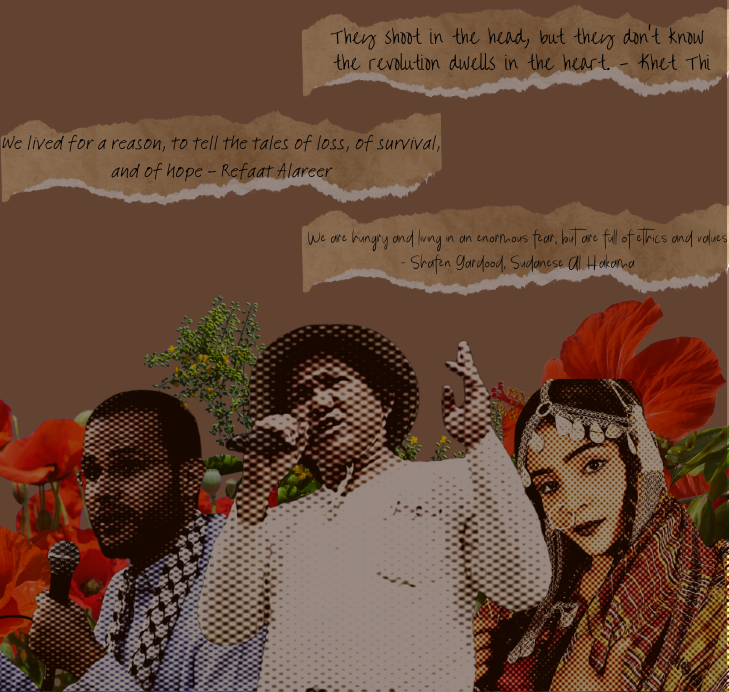
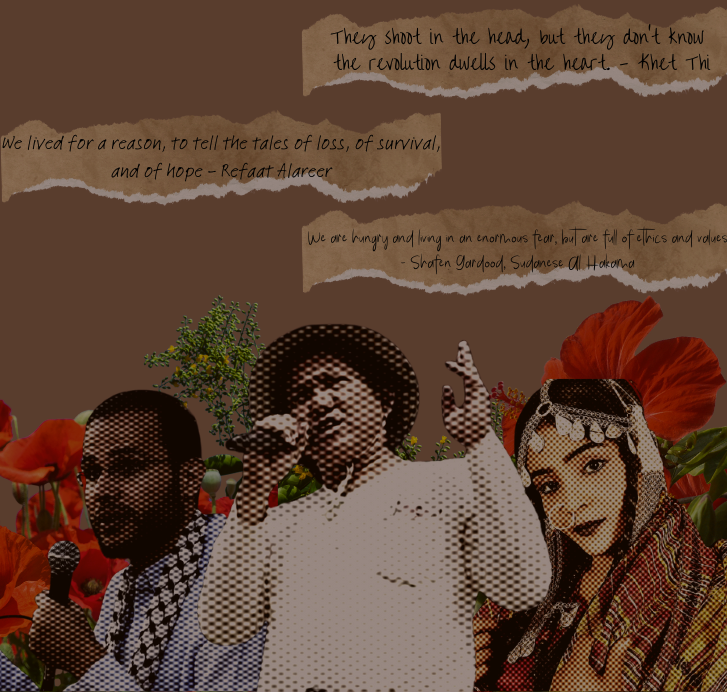
This poem was inspired by the murders of lyricists like Palestinian poet Refaat Alareer, Burmese poet Khet Thi and Sundanese Al -Hakama Shaden Gordood, each of whom used rhythmic words as a tools of resistance against violent oppression. This piece is dedicated to Carmalita Wilson, whose words heal wounds in life, and in death.
You can hear and/or read this piece below:
The Archivist’s Eternal Art
You can kill the poet, but you cannot kill the poetry.
We wield our words as weapons, sharpen our pens like thorns
pierce the flesh of our oppressors, draw blood like swords.
We grieve. We mourn. We witness. We write
our rage on the page, through each line we give life
to truth.
We record the legacies of revolutionaries, the eulogies of martyrs
capture the courage of comrades, the complicity of cowards.
We remember. We recount. We resist. We revive
lives lost in the physical, through lyrical lines.
Bombs buried libraries, but the poems survived.
We rise from the grave
We haunt from the page
leave ink trails of pain, like tales told by blood stains
weave images so vivid, readers feel like they lived it.
We inspire. We ignite. We enrage. We incite.
We preserve
history.
You can kill the poet, but you cannot kill the poetry.
MEET THE AUTHOR
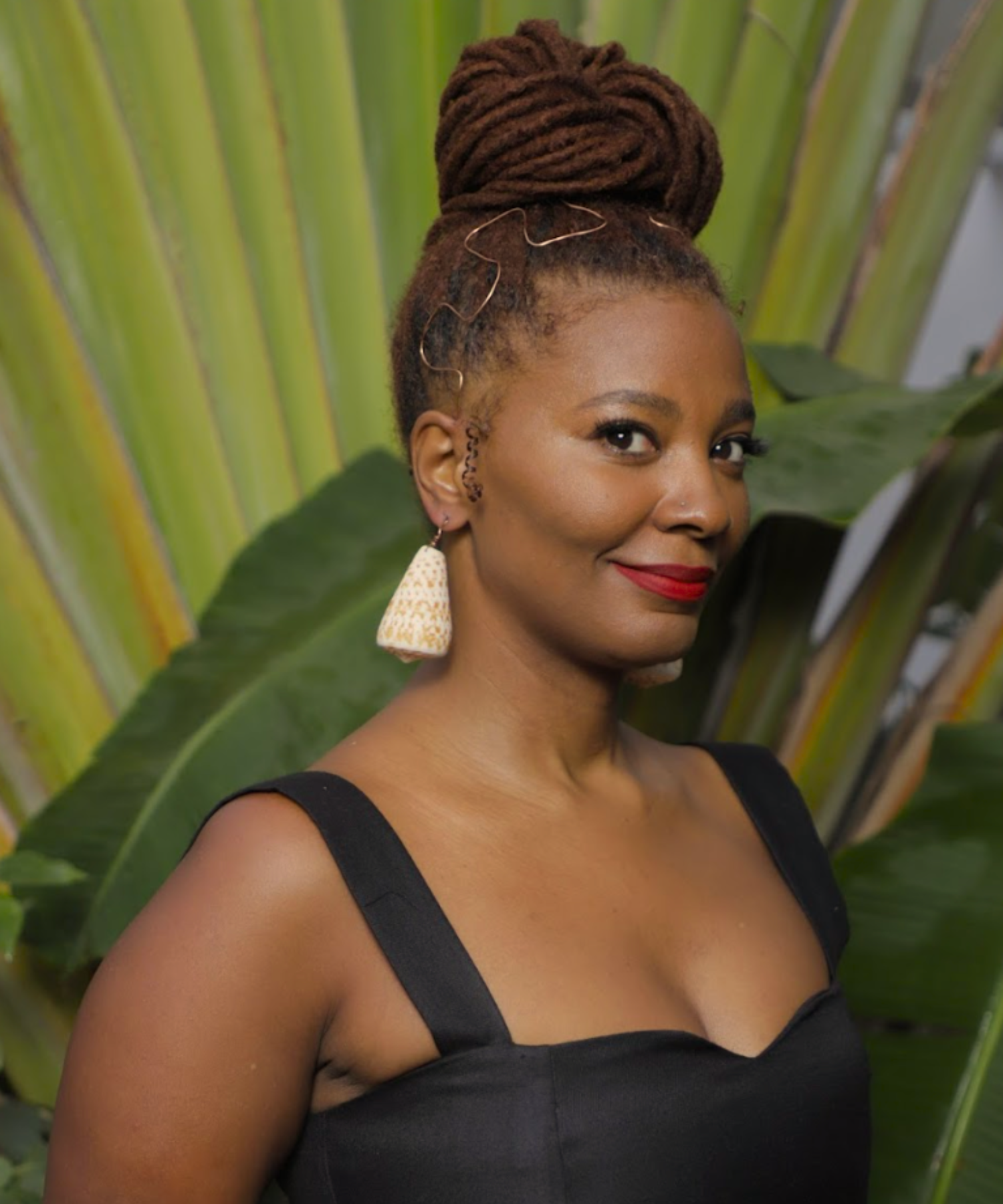
Shannon Cumberbatch
Welcome to my digital home, where you’ll find insight into my words and world. Write to Resistance is where I record our collective wounds, recovery and resilience through poetic expression. I write intuitively and fluidly, allowing the words and images I receive to flow onto the page without committing to any one convention. For me, this creative process is cathartic, and offers the perfect container for sentiments too heavy for a plain paragraph to hold.
Thank you for joining me on this journey. ✨
You May Also Like…